

A developer’s name is a starting point, not a check
Most buyers hear about a project first and about the company behind it second. The brochure is glossy, the show unit is staged, and the question of who is actually building the thing gets about two minutes at the end of a sales conversation. That order of events is backwards. In Malaysia a few checks on the developer can be done from home, before you pay a booking fee, and they tell you more than any show unit will.
This guide stays general. It covers what to look for in a developer, how shop offices differ from homes, and how to fit a property purchase into a longer plan. Nothing here is advice on a particular project.
What the housing licence rules actually cover
The National Housing Department under KPKT explains that under the Housing Development (Control and Licensing) Act 1966, a developer of housing must hold a valid developer’s licence and a valid advertising and sale permit, and must open a housing development account for the project. Its licensing page for housing developers is in Malay, but the section numbers are easy to spot. Ask the sales office for the licence number and permit number, then check them against the official records instead of trusting a printed banner.
A Malaysian property negotiator explains why the advertising permit and developer licence matter (about 7 minutes).
One caution. This regime is built around housing. For a purely commercial scheme, such as a row of shop offices, the approvals and the form of sale agreement can differ, so ask the developer which ones apply and have your lawyer confirm in writing.
Track record you can inspect yourself
A company that has handed over projects leaves a trail. Look at how many townships it has built, how large they are, and whether the later phases actually exist on the ground. A group overview that lists townships by acreage and gross development value is a good example of the kind of public information to compare, though numbers like these describe scale, not quality. For quality, ask whether any completed project has a QLASSIC score.
QLASSIC is run by the Construction Industry Development Board. Its workmanship assessment portal describes it as an independent way to assess the quality of workmanship in a building project against a published standard. A score does not replace a proper inspection of your own unit, but it is one more data point than a render can offer.
Shop offices answer to a business plan
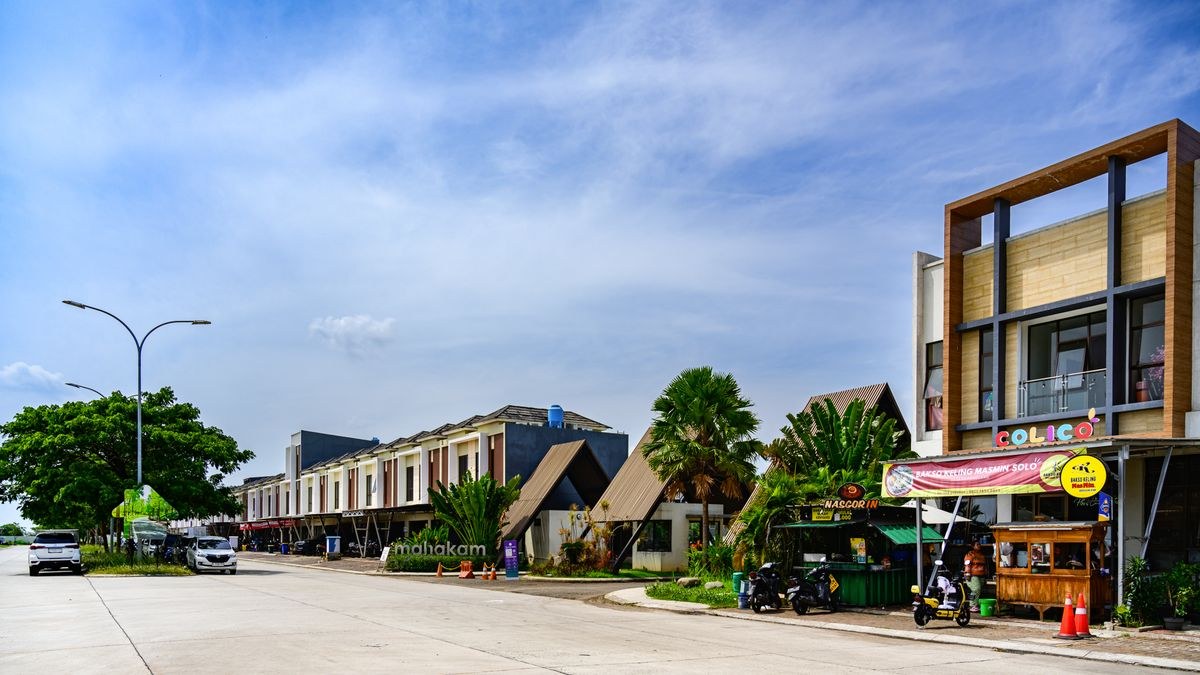
A home is bought to live in. A shop office is bought, or leased, to make money, and the checks follow from that. Take a two and three storey launch in Tongkang Pechah, Batu Pahat, which lists unit sizes of 3,080 and 4,620 square feet built-up and describes frontage onto a main road. Those facts raise practical questions. How many car parks come with each unit? Is the upper floor permitted for the use you have in mind? Can a delivery van reach the back lane? Is there already a mix of tenants nearby, or will you be the first on the block?
Walk the area at different times of day, count passing foot traffic, and look at vacant units in neighbouring commercial rows. NAPIC, the national property information centre, publishes property market, stock and price index data that give context beyond a developer’s own claims.
Fit the purchase into a holding plan
Before comparing projects, decide how long you intend to hold. An overview such as buy and hold, house hacking and strata options for first-time investors is a handy reminder that these strategies reward patience and a clear exit, not a quick flip.
Keep a single sheet for each project: licence and permit numbers, who the lawyer is, what the completion date is, what remains unclear. If more than two or three lines still read “ask the developer”, you probably have your answer for now.